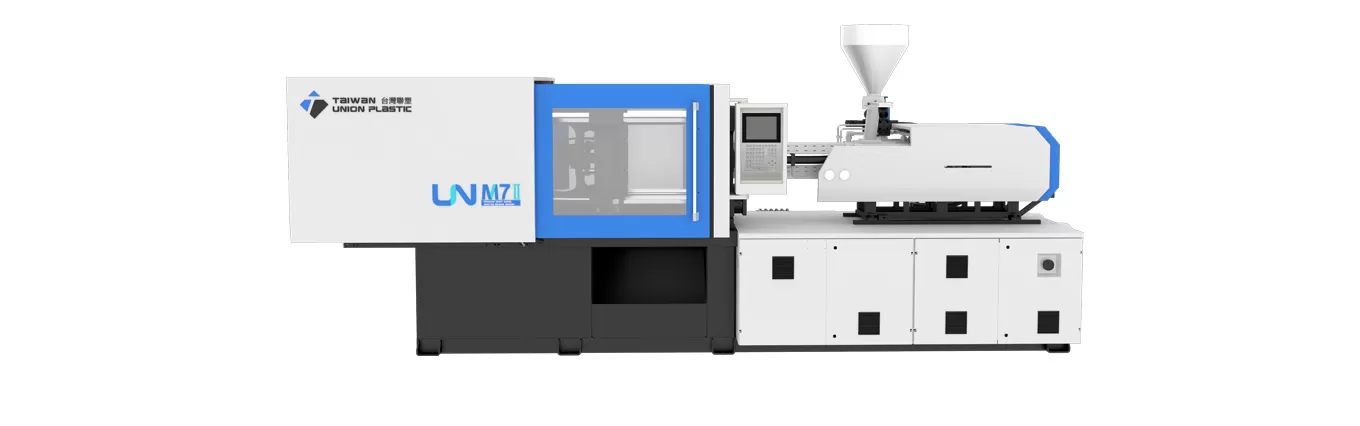
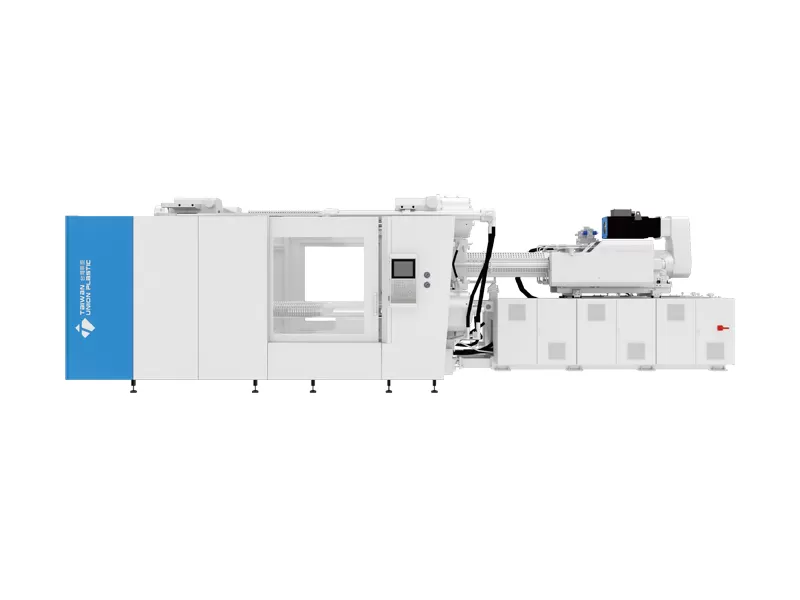
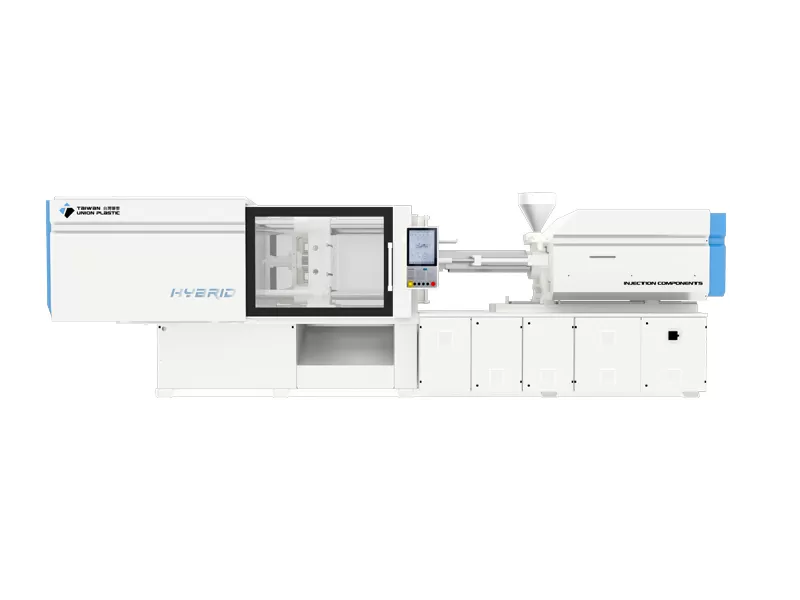
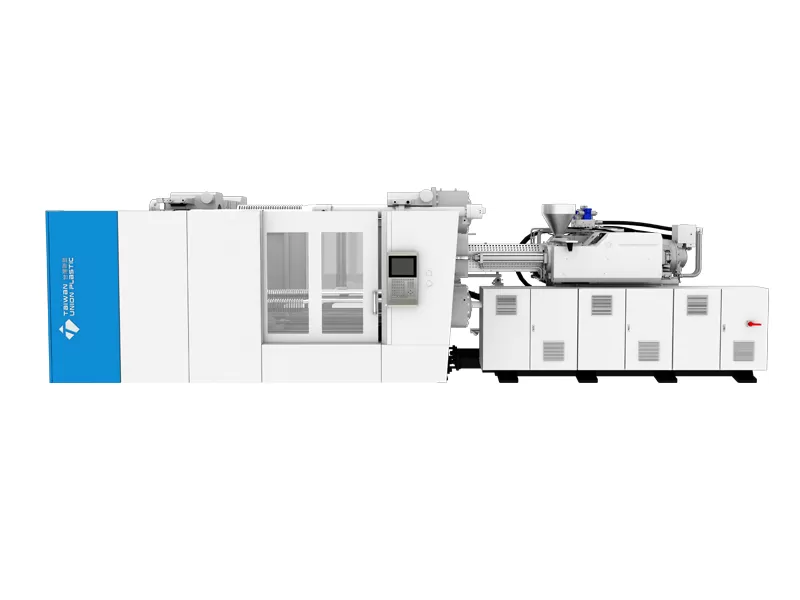
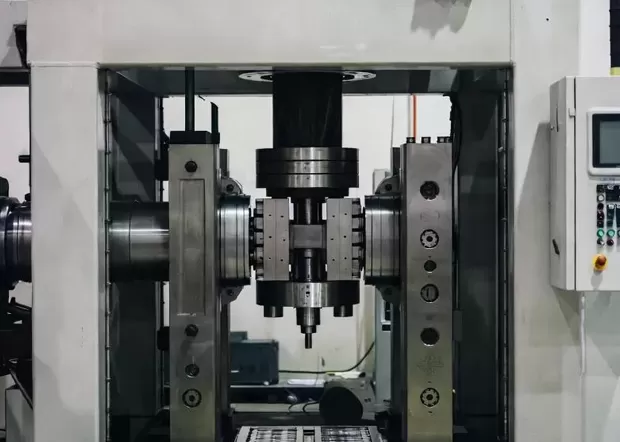
In today's competitive plastics market, efficiency, quality, and material savings are paramount. The days of relying on older, less consistent plunger-style machines are over. The true engine of modern, high-precision manufacturing is the Reciprocating Screw—the core component that has revolutionized the injection molding process and set new standards for quality control and throughput.
Unmatched Melt Uniformity from Reciprocating Screw Injection Molding
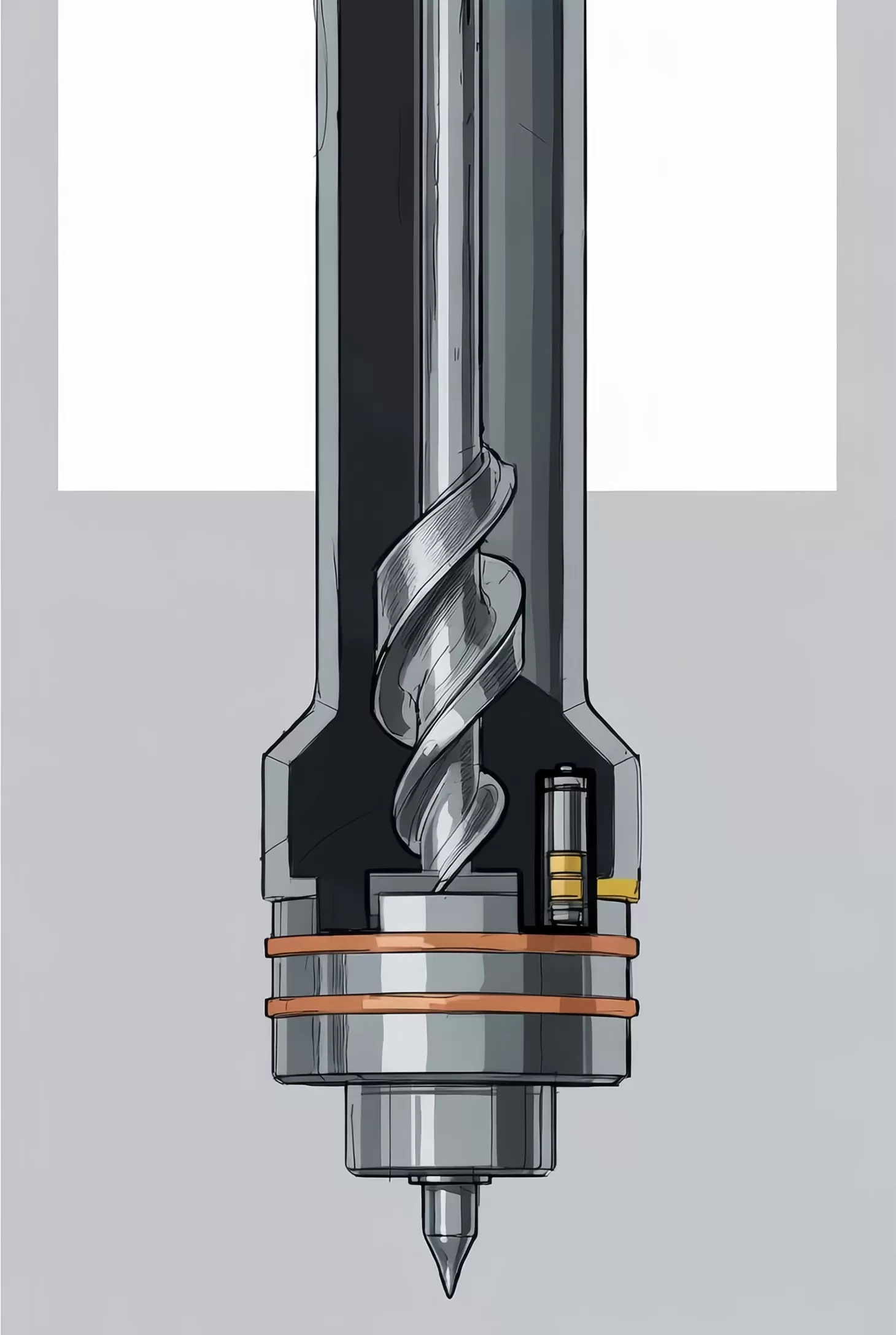
The key to a flawless final product is the quality of the molten resin. Unlike simple plungers, the rotating action of the screw within the barrel generates mechanical shear heat, effectively combining with external heating to achieve a perfectly homogenous melt. This intensive mixing action eliminates cold spots, ensures consistent temperature across the material, and guarantees that colorants and additives are uniformly dispersed.
Achieving Precision and Efficiency in Reciprocating Screw Injection Molding
The "reciprocating" motion—the axial forward and backward movement—is what enables unparalleled process control. During the plasticizing phase, the screw retracts as the melt accumulates, allowing for the precise metering of the exact shot size required for the mold. When the injection phase begins, the screw plunges forward like a ram to deliver the dose. This two-stage action allows manufacturers to:
Reduce material waste through accurate dosing.
Shorten cycle times by optimizing the simultaneous melt-preparation and cooling processes.
Ensure shot-to-shot consistency, a non-negotiable requirement for high-volume, automated production lines.
The Material Flexibility of Reciprocating Screw Injection Molding
The robust design and powerful mixing capability of the reciprocating screw give it exceptional versatility. Whether your production requires standard commodity resins like PP and PE, or challenging engineered plastics like PEEK, PC, or high-viscosity blends, the screw can handle it. Furthermore, specialized screw geometries can be selected to manage abrasive fillers (like glass fiber) or corrosive materials (like PVC), protecting your long-term investment and expanding your product portfolio without needing to switch machine types.
Conclusion
The Reciprocating Screw is more than just a component; it is the technological foundation upon which modern, competitive plastics manufacturing is built. It delivers superior melt quality, minimizes material waste, maximizes cycle efficiency, and provides the flexibility to tackle the most advanced materials.