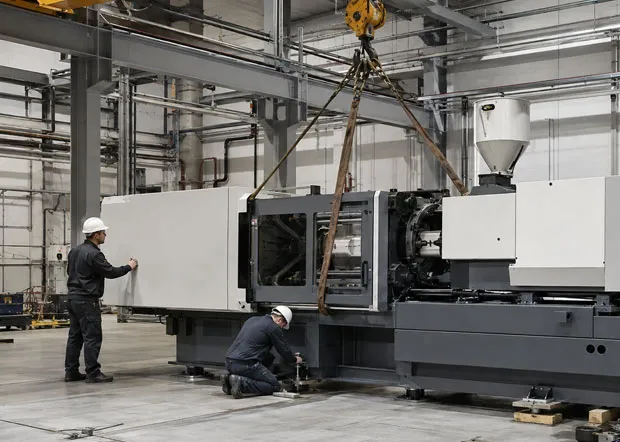
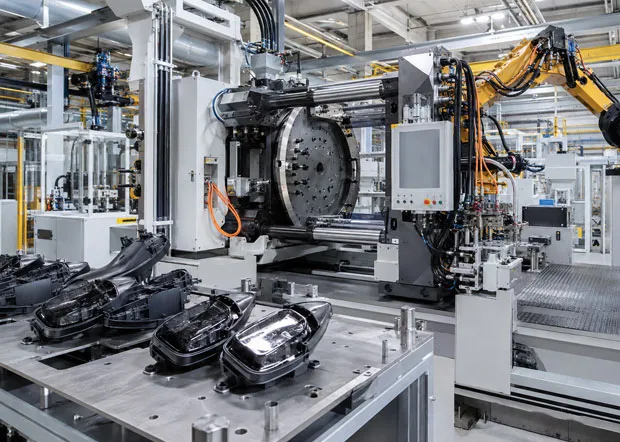
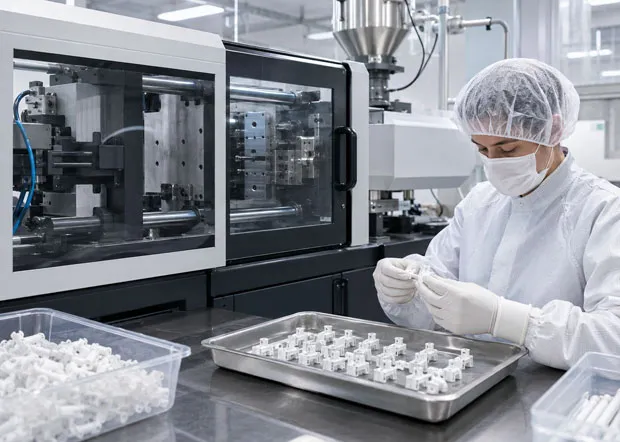
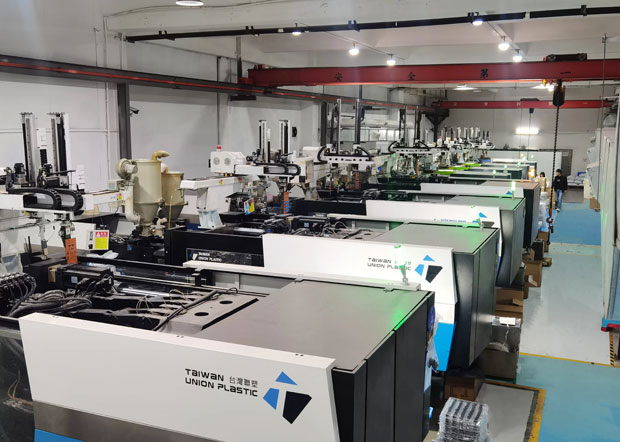
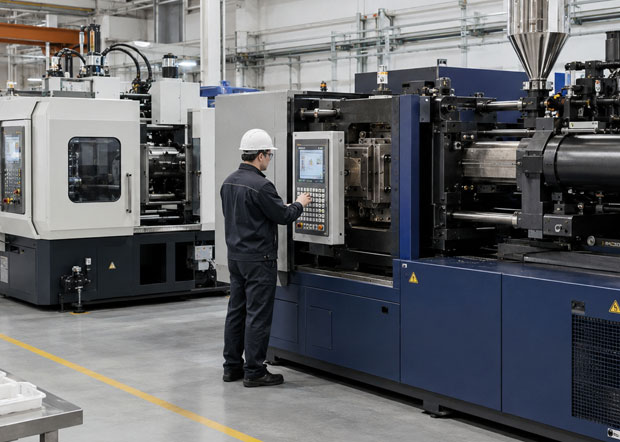
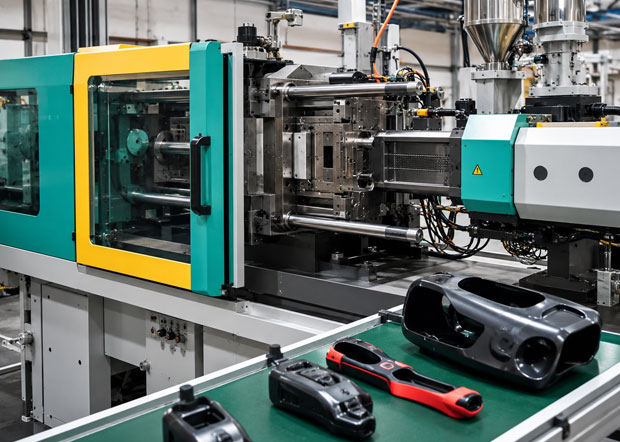
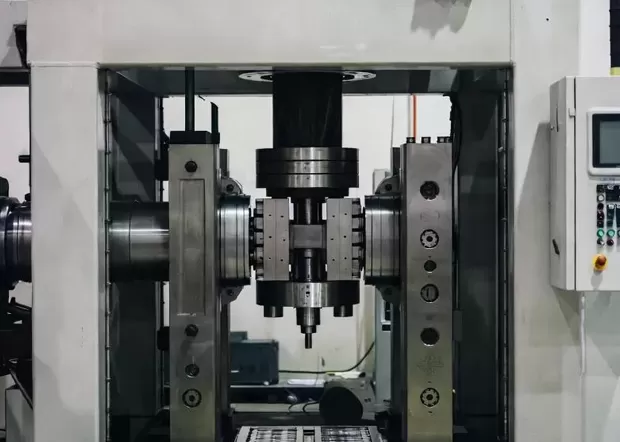
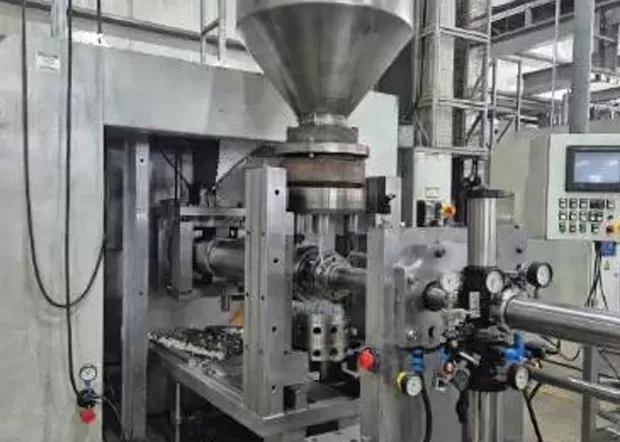
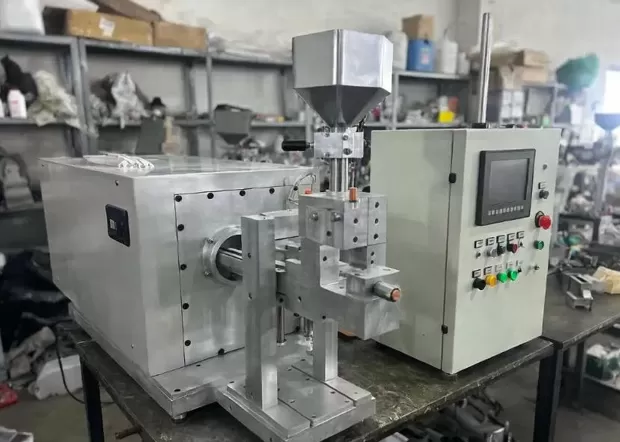
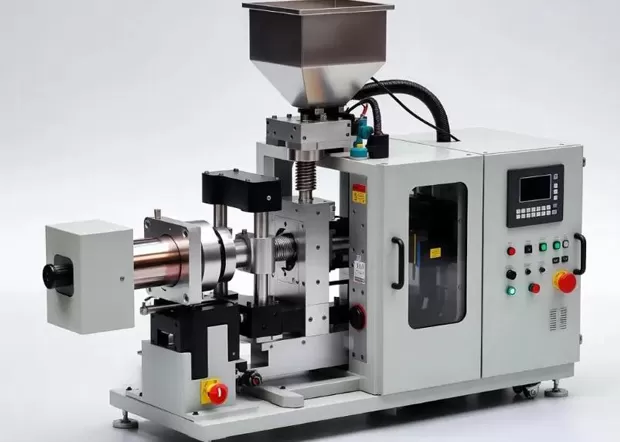
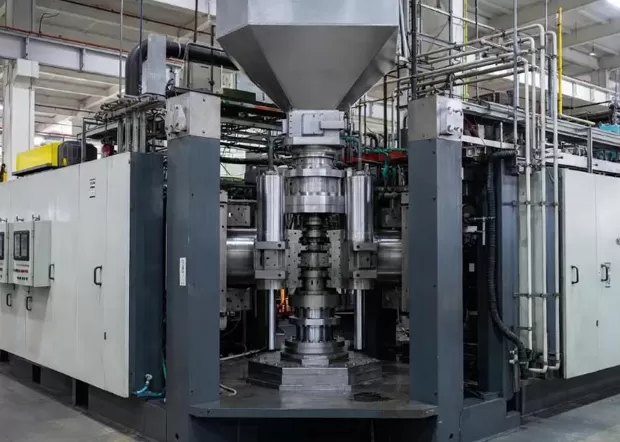
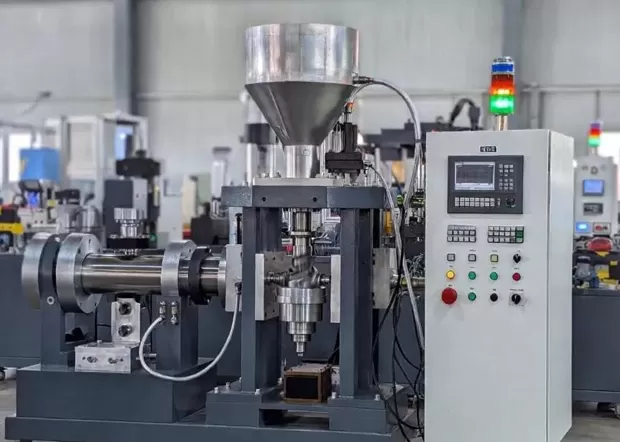
With customer application as the core starting point, our servo hydraulic injection molding machine focuses on reliable, stable, and efficient production requirements while striving for perfection in detail optimization and scenario adaptability.
Thin-wall packaging turns injection molding into a race against cooling time. Cups, lids, food containers, dairy packaging and other lightweight products have long flow paths relative to their wall th...
Injection molding machine tonnage is one of the first numbers buyers discuss, but it is also one of the most frequently misunderstood. The rated tonnage of a machine describes its maximum clamping-for...
Choosing the right injection molding machine begins with understanding how different machine architectures create, control and repeat the forces needed to melt resin, fill a mold, hold pressure, cool ...
Choosing between an all-electric and a hydraulic injection molding machine is not a simple question of which technology is newer. The correct choice depends on the molded part, resin, mold size, requi...
The cost of an injection molding machine cannot be answered accurately with one price range because the machine is only one part of a production system. Clamping force, injection unit, drive technolog...
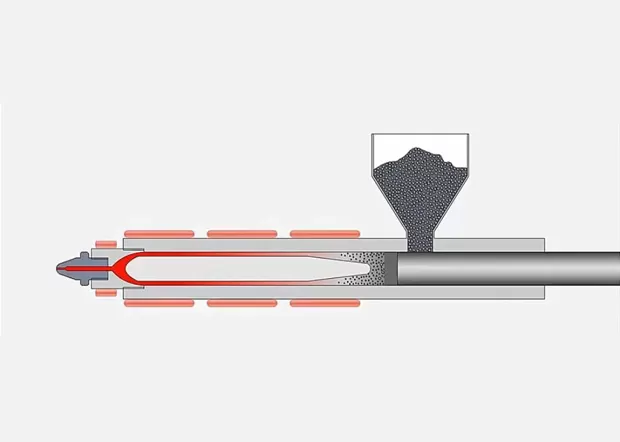
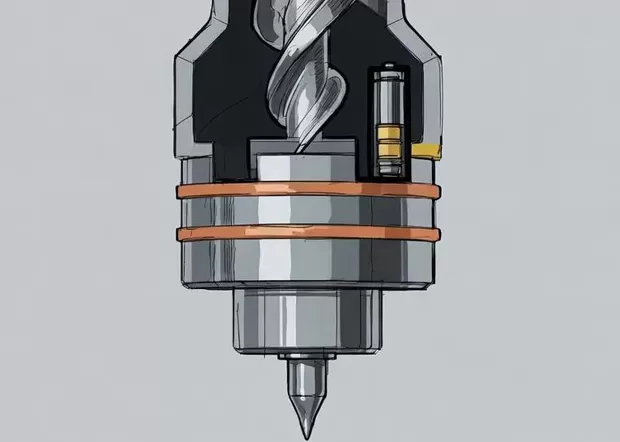
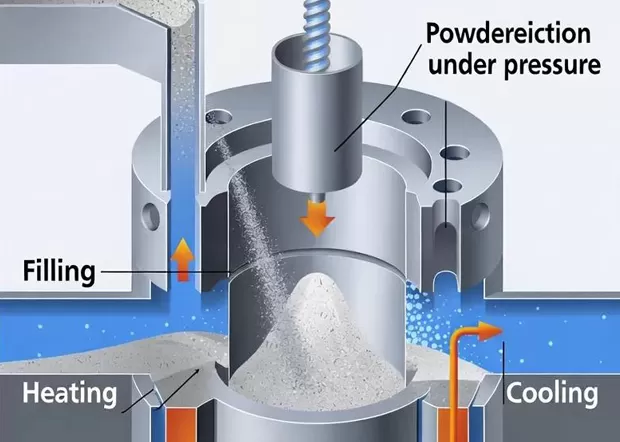
What Is a Plunger Injection Molding MachineA plunger-type injection molding machine is an injection molding machine that uses a plunger-type plasticizing device to plasticize the molding material, and...
In today's competitive plastics market, efficiency, quality, and material savings are paramount. The days of relying on older, less consistent plunger-style machines are over. The true engine of m...
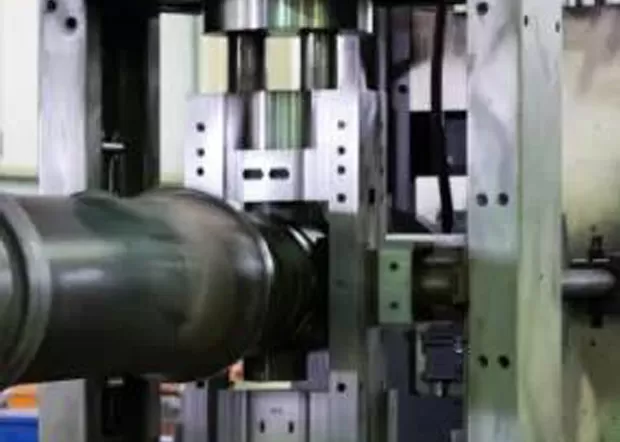
The fundamental principles of injection molding—melting plastic and injecting it into a mold cavity—remain the same. However, the orientation of the clamping unit defines two very different pathways...
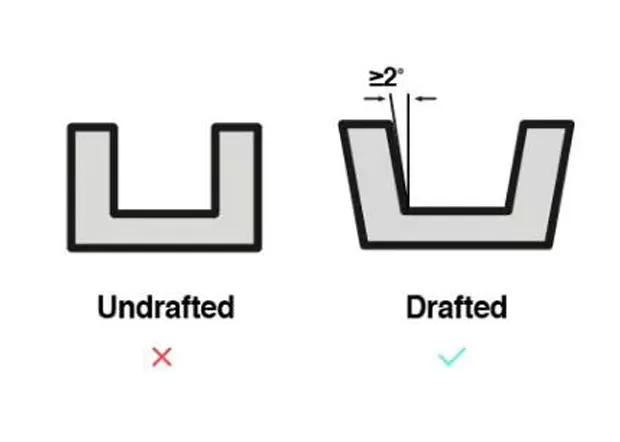
The draft angle—the slight taper added to the walls of a plastic part—is one of the most critical, yet often overlooked, elements of injection molding design. It dictates how easily a finished compo...
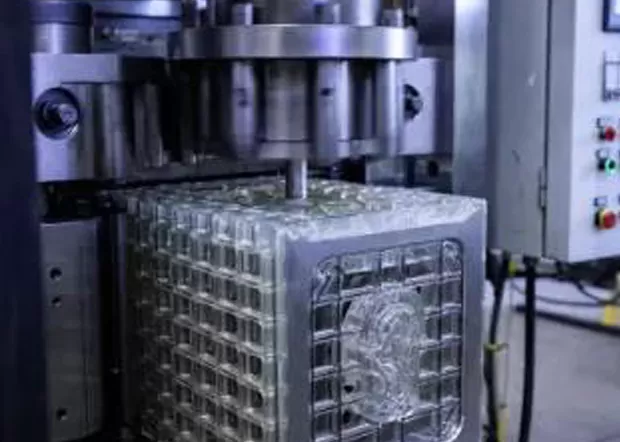
In the race for efficiency, traditional two-platen and stack molds often hit a ceiling. The next leap in high-volume production technology is Cube Injection Molding, a groundbreaking technique that do...
Automatic Molding Machines: An In-Depth LookAutomatic injection molding machines are the backbone of modern manufacturing, enabling the mass production of complex, high-quality plastic components. The...
What is Powder Injection Molding?Powder Injection Molding (PIM) is the generic name for a manufacturing process that combines the shape-forming capabilities of plastic injection molding with the high ...
Structural Integrity in Tie Bar Injection Molding MachinesThe four tie bars serve as the central nervous system of the clamping unit, ensuring that the two halves of the mold remain securely closed ag...
In the world of product development and specialized manufacturing, the biggest machine isn't always the best. The Small Injection Molding Machine (SIMM) represents a strategic shift toward agility...
The demand for smaller, more complex plastic parts in medical devices, micro-electronics, and smart sensors has pushed manufacturing technology to its limits. The answer lies not in scaling down stand...
Unlocking New Possibilities with Large Injection Molding MachinesThe primary advantage of a large injection molding machine lies in its ability to manufacture oversized, integrated components in a sin...
In today's rapidly iterating innovation landscape, speed and the authenticity of prototypes are key to success. Traditional injection molding often bottlenecks functional prototyping into a time-c...

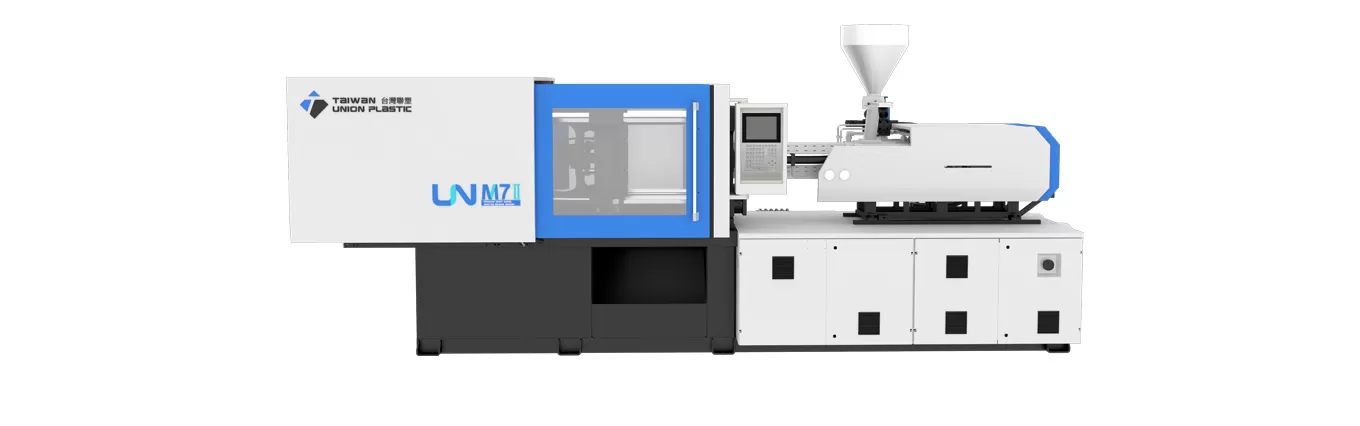 UN
Servo Hydraulic Injection Molding Machine
UN
Servo Hydraulic Injection Molding Machine