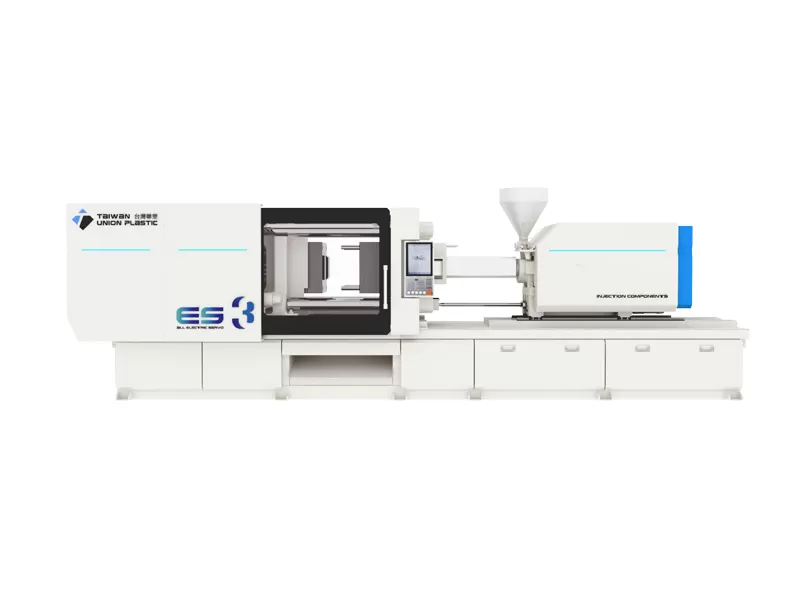
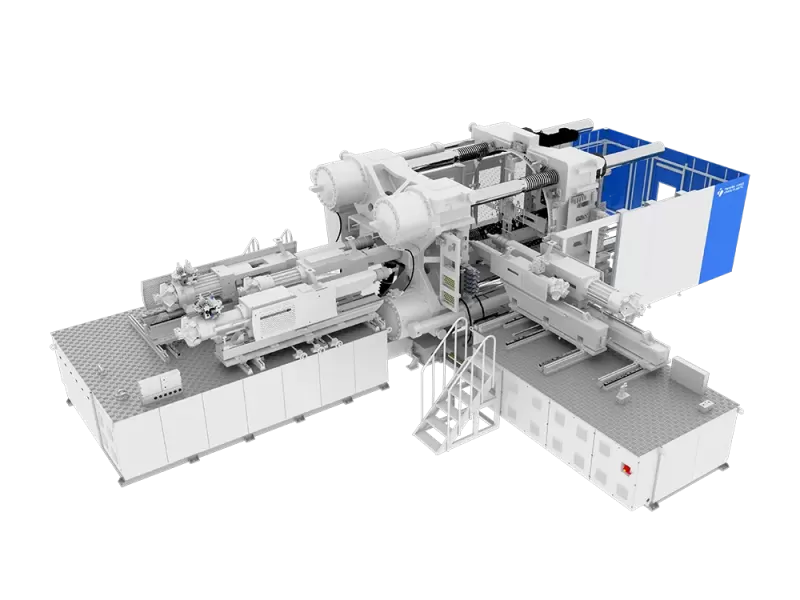
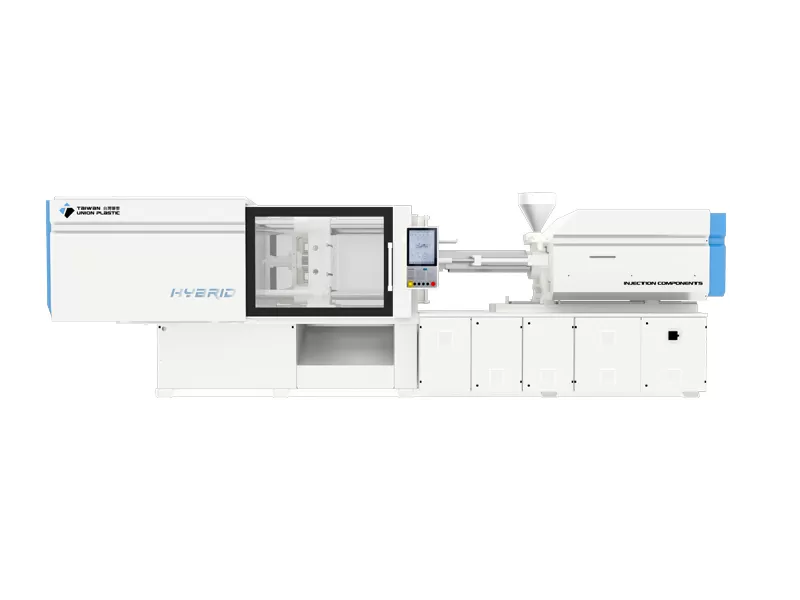
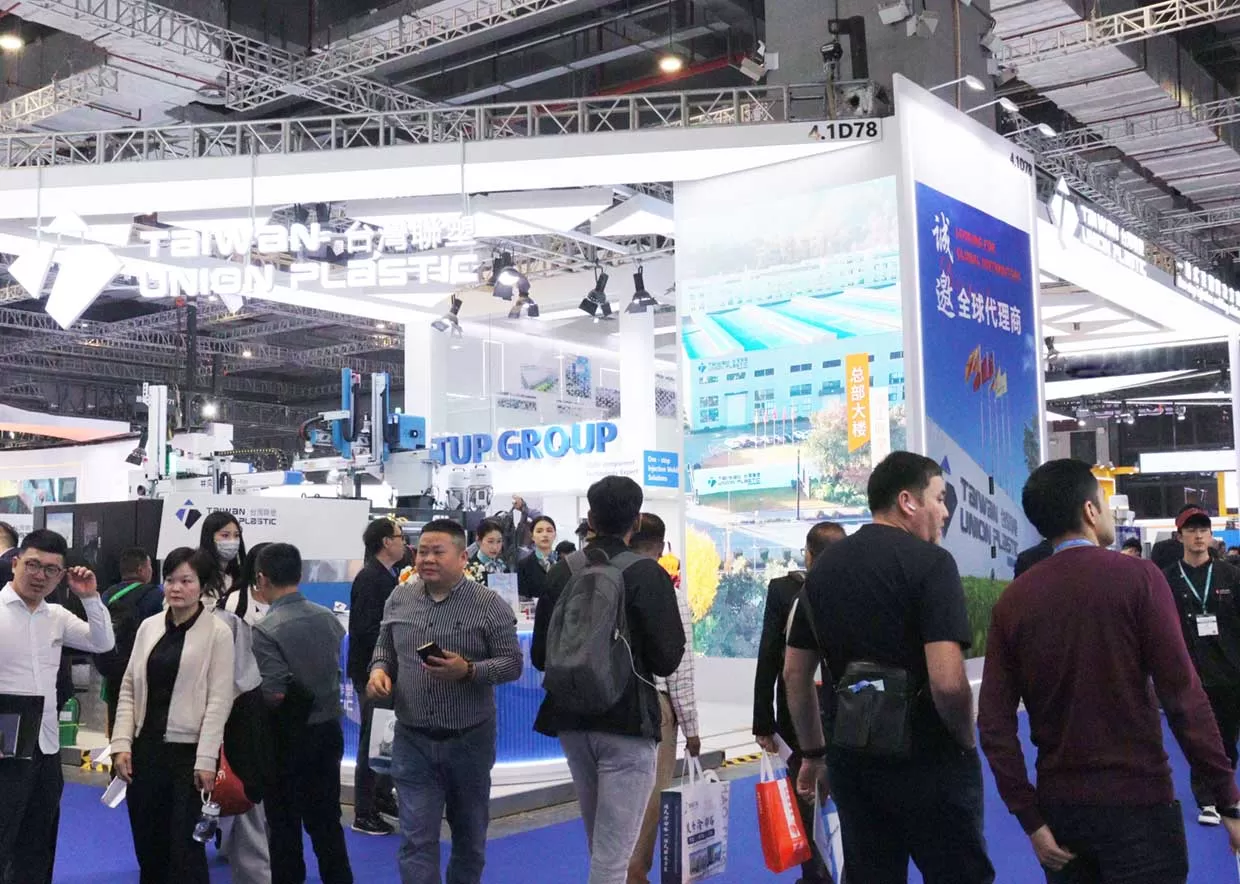
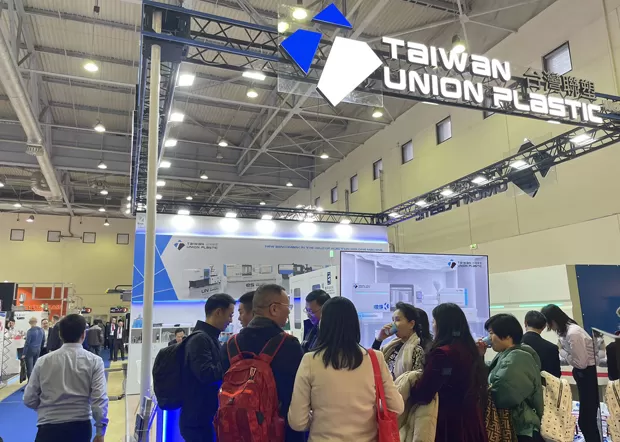
All-electric injection molding machines feature high precision, high efficiency, energy conservation and environmental protection, high level of intelligence, and wide range of application scenarios.

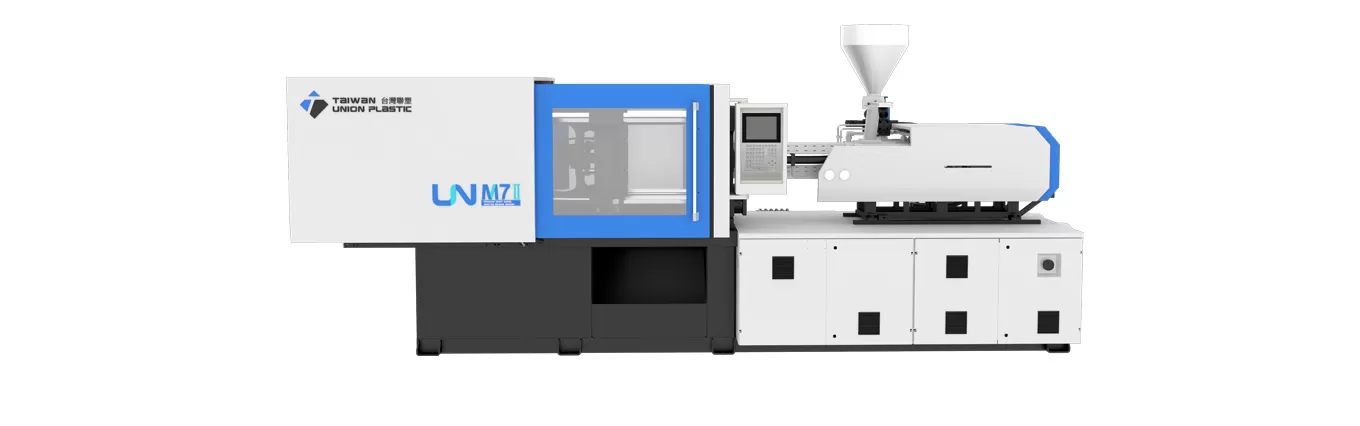 UN
Servo Hydraulic Injection Molding Machine
UN
Servo Hydraulic Injection Molding Machine
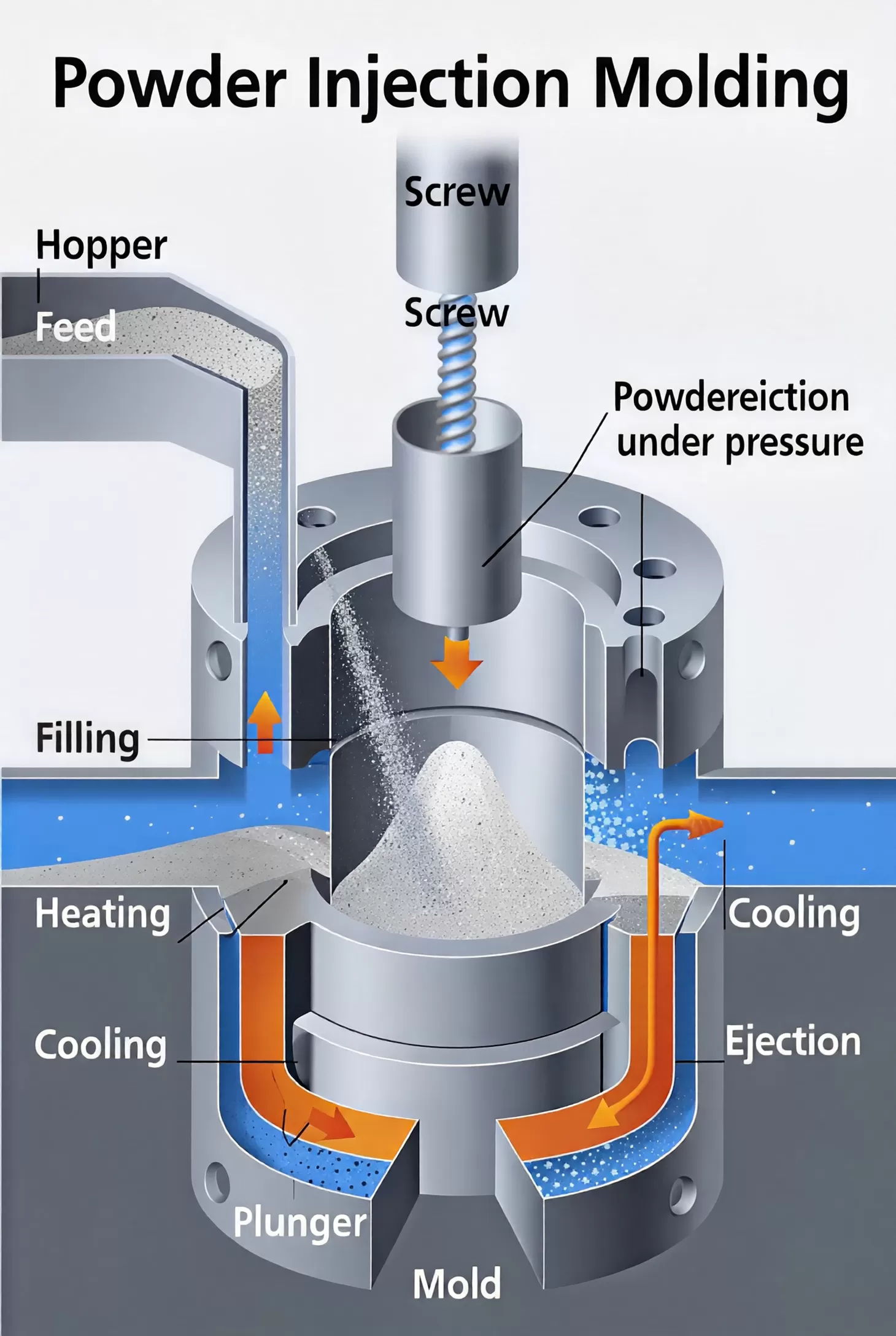
Powder Injection Molding (PIM) is the generic name for a manufacturing process that combines the shape-forming capabilities of plastic injection molding with the high strength and material properties of powdered materials. The PIM process involves three main steps:
Mixing: Fine powder (typically metal or ceramic) is blended with a polymer binder to create a flowable mixture called feedstock.
Molding: The feedstock is injected into a mold cavity, forming the complex shape.
Post-Processing: The polymer binder is removed (debinding), and the remaining part is heated to a high temperature (sintering) to densify the powder into a strong, solid component.
PIM is therefore the umbrella term covering all materials processed this way—both metallic and ceramic powders.
The primary difference between the terms lies in the material being processed:
| Process Name | Material Type | Common Applications |
| Metal Injection Molding (MIM) | Metallic Powders (Steel, Titanium, Copper) | Medical instruments, firearms components, electronic housings |
| Ceramic Injection Molding (CIM) | Ceramic Powders (Alumina, Zirconia) | Dental brackets, heat shields, electrical insulators |
| Powder Injection Molding (PIM) | Umbrella Term (MIM + CIM) | High-volume production of small, complex parts |
In essence, MIM is a specialized form of PIM that focuses exclusively on producing metal parts. When a manufacturer specifies MIM, they are indicating the use of metal powders (such as stainless steel). When they specify PIM, they are referring to the broader process which could involve either metal or ceramic powders.
Despite the material differences, both MIM and CIM share the core advantages of the PIM approach:
Net-Shape or Near-Net-Shape Capability: Both processes excel at creating highly complex geometries, internal threads, and intricate features that are impossible or too expensive to achieve with traditional machining or casting. This minimizes or eliminates secondary finishing operations.
High Volume Efficiency: PIM is ideal for mass production runs where millions of parts may be needed, leveraging multi-cavity molds for cost-effectiveness.
Superior Properties: Finished components exhibit mechanical properties comparable to wrought materials, offering excellent strength and durability, which is a major advantage over traditional plastic parts.
For manufacturers, the term Powder Injection Molding (PIM) is the overarching category that describes the revolutionary manufacturing method combining injection molding with powder metallurgy/ceramics. Metal Injection Molding (MIM) is simply the most popular application of PIM, specifically utilizing metal powders to create robust, intricate metal parts. Choosing the right process—be it MIM for structural strength or CIM for heat/electrical resistance—requires recognizing PIM as the versatile technological platform that powers both.